You know that feeling when you try to explain a niche anime plot or the intricacies of a new mechanical keyboard to your friends, and their eyes just glaze over? It’s isolating. That’s exactly why platforms like Geekzilla Radio have started gaining traction. It’s not just background noise; it’s a digital space where that specific, intense passion for “geeky” things isn’t just tolerated—it’s the main event.
If you’ve been hearing the buzz about Geekzilla Radio and wondering what exactly it is, you’re in the right place. I’ve spent some time exploring the platform, listening to the streams, and digging into the community features to give you a clear, honest breakdown of what you can expect.
What Is Geekzilla Radio?
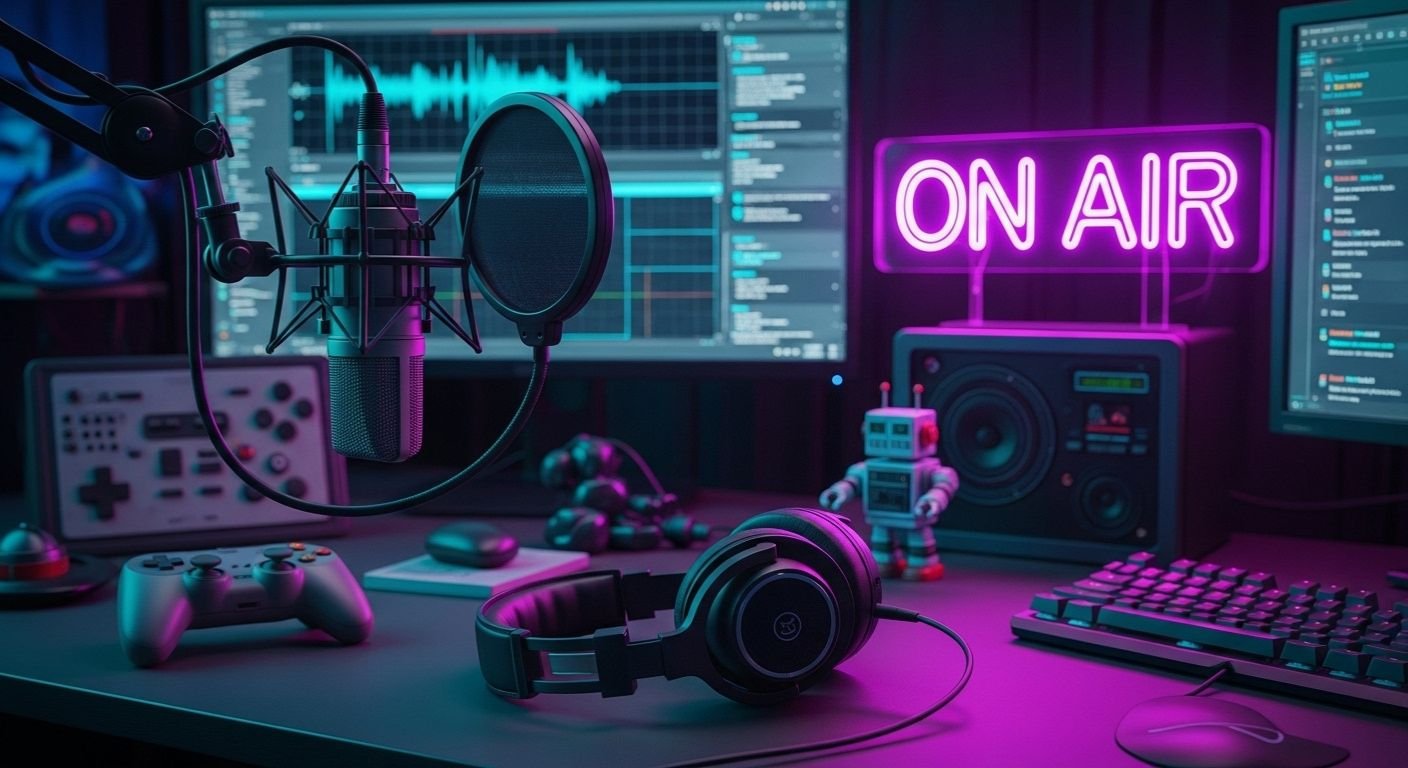
At its core, Geekzilla Radio is a digital broadcasting platform designed specifically for the geek community. It streams a mix of live radio shows, podcasts, and music that cater to technology enthusiasts, gamers, comic book lovers, and pop culture fans.
Unlike traditional radio stations that have to appeal to a broad, general audience, Geekzilla narrows its focus. You won’t hear Top 40 hits interspersed with celebrity gossip here. Instead, you’re tuning into deep dives on the latest Marvel Cinematic Universe theories, debates about the best Linux distros, or soundtracks from classic 8-bit video games.
Ideally Suited For:
- Techies: People who actually care about processor specs and cybersecurity trends.
- Gamers: Whether you’re into tabletop RPGs or competitive esports.
- Pop Culture Buffs: Fans of sci-fi, fantasy, anime, and comics.
How Does Geekzilla Radio Work?
The platform operates similarly to modern internet radio stations but with a heavier emphasis on community interaction. It’s accessible via web browsers and mobile apps, making it easy to listen whether you’re coding at your desk or commuting.
The content is generally split into two main formats:
- Live Broadcasting: Real-time shows where hosts discuss current events in the geek world. This often includes live chat features where listeners can weigh in instantly.
- On-Demand Content: Libraries of past episodes and podcasts that you can stream whenever you want.
Key Features That Define the Platform
When you log onto the site, a few things stand out immediately compared to standard streaming services like Spotify or Apple Podcasts.
Live, Unscripted Interaction
One of the biggest draws is the raw, unscripted nature of the live shows. I tuned into a session recently where the hosts were debating the merits of the latest gaming console release. It wasn’t a polished, corporate review; it felt like listening to two knowledgeable friends arguing in a living room. They took questions from the chat, read out listener opinions, and even changed their minds mid-discussion based on audience feedback.
Diverse Content Categories
Geekzilla Radio organizes its programming into distinct buckets so you don’t have to sift through content you don’t care about.
- Tech Talk: Covers hardware reviews, software updates, and industry news.
- Gaming Zone: Focuses on reviews, walkthroughs, and lore discussions.
- Cinema & TV: Reviews and spoiler-filled discussions of new releases.
- The Business of Geek: A fascinating niche that looks at the economics behind startups, indie game development, and creator monetization.
Community-First Approach
This isn’t just a buzzword here. The platform integrates Discord servers and forums directly into the listener experience. If a host mentions a specific theory during a show, the conversation often continues for hours afterward in the dedicated community channels. It creates a “third place” for people who might not have a local community to share their interests with.
Why Is It Gaining Popularity Now?
You might wonder, “Why listen to radio when I have YouTube?” It’s a valid question. The answer lies in passive engagement and curation.
Video requires your eyes. You can’t watch a YouTube video easily while driving or working on a complex spreadsheet. Geekzilla Radio fills that gap by providing high-quality, audio-first content that keeps you company without demanding your full visual attention.
Furthermore, algorithm fatigue is real. On big platforms, you are often fed what the algorithm thinks you want. Geekzilla offers human curation. The shows are programmed by actual humans who understand the nuance of the culture, ensuring you discover gems you might have missed otherwise.
Popular Shows and Segments
While the schedule changes, there are usually staple segments that draw the biggest crowds.
The Tech Rundown
This is often a morning segment. It’s a quick, digestible summary of the tech news that happened overnight. For professionals in IT or just enthusiasts who want to stay updated without scrolling through Twitter for an hour, this is invaluable.
Retro Gaming Hour
This segment hits hard on nostalgia. Hosts pick a specific year or console era—say, the Super Nintendo era of the early 90s—and play music from those games while discussing the history and impact of the titles. It’s comforting, informative content that resonates deeply with older millennials and Gen Xers.
Indie Spotlight
This is arguably the most important work they do. They highlight independent creators—game devs, comic artists, self-published authors—who don’t have big marketing budgets. I’ve discovered at least three indie games through this segment that I would never have found on Steam’s front page.
Is Geekzilla Radio Free?
This is the most common question I see. Generally, Geekzilla Radio operates on a freemium model.
- Free Tier: You can listen to the live radio stream and access a selection of recent podcasts with ad support.
- Premium Tier: Usually involves a subscription that removes ads, offers higher audio quality (bitrate), and unlocks exclusive “deep dive” content or extended cuts of interviews.
For the average listener, the free tier is more than sufficient. The ads tend to be relevant to the audience (e.g., ads for gaming conventions or computer hardware) rather than generic insurance commercials, which makes them less annoying than on terrestrial radio.
User Experience: The Good and The Bad
To give you a balanced view, here is my honest assessment of using the platform.
The Good
- Niche Expertise: The hosts actually know what they are talking about. You don’t get general journalists stumbling over terminology; you get experts.
- Audio Quality: Even on the free tier, the stream is clear and stable.
- Discovery: You will find new interests here.
The Bad
- Interface Clutter: The website can sometimes feel a bit “busy” with chat boxes, schedules, and banners all fighting for attention.
- Mobile App Stability: While functional, the app can occasionally glitch when switching between Wi-Fi and mobile data.
- Niche Barrier: If you are a casual fan, some of the deep-lore discussions might go over your head.
AEO: Quick Answers for Voice Search
Here are direct answers to specific queries you might ask a voice assistant or type into a search bar.
What kind of music does Geekzilla Radio play?
They play a mix of chiptunes, synthwave, video game soundtracks (OSTs), J-pop, and geek-themed rock/metal.
Can I host a show on Geekzilla Radio?
Yes, they often have open calls for community contributors. You usually need to submit a demo tape or a pilot episode to their content team for review.
Is Geekzilla Radio available offline?
Live radio is not available offline, but premium users can typically download podcast episodes and recorded shows for offline listening.
FAQ: People Also Ask
Is Geekzilla Radio safe for kids?
Most content is PG-13, focusing on technology and gaming. However, live discussions can sometimes be unscripted. It is generally safe for teens, but parents should check specific show ratings if available, as some “late-night” segments might cover mature themes in gaming or comics.
How do I listen to Geekzilla Radio on my phone?
You can listen directly through your mobile browser (Chrome/Safari) or download their dedicated app if available in your region’s app store. Some third-party radio aggregator apps also carry the station.
Does Geekzilla Radio cover anime?
Yes, extensively. There are dedicated blocks for anime reviews, seasonal previews, and discussions about manga adaptations.
How does Geekzilla Radio make money?
They generate revenue through a combination of premium subscriptions, on-air advertising, sponsorships from tech/gaming companies, and sometimes merchandise sales.
Final Thoughts
Geekzilla Radio represents a shift in how we consume niche media. It moves away from the “one size fits all” approach of massive streaming giants and returns to the community-based roots of radio. It’s a place where you don’t have to apologize for being excited about a 20-sided die or a new graphics card.
If you are looking for a background soundtrack that matches your interests, or if you want to engage with a community that speaks your language, it is definitely worth tuning in. It’s not perfect—the app could be smoother, and the UI simpler—but the heart of the content is authentic, and in 2026, authenticity is a rare currency.